

Quanyin Hu
University of Wisconsin-Madison
Pyroptotic vesicles as personalized cancer therapeutics
Dr. Quanyin Hu is an Robinson Distinguished Chair, Associate Professor at the School of Pharmacy, University of Wisconsin-Madison (UW-Madison). He received his Ph. D. degree in Biomedical Engineering at the University of North Carolina at Chapel Hill (UNC-CH) and North Carolina State University from 2014-2018. Before he joined UW-Madison, he was a postdoc associate at the Koch Institute for Integrative Cancer Research at the Massachusetts Institute of Technology (MIT) from 2018-2020. Dr. Hu is a newly elected AIMBE fellow and currently serving as the Deputy Editor for the Journal of Nanobiotechnology. He has published more than 100 research papers, including Nature Biotechnology (2024, 2026), Science (2026), PNAS (2026, 2025), Nature Nanotechnology (2025), Nature Reviews Clinical Oncology (2026), Nature Review Bioengineering (2024), Science Translational Medicine (2022), Nature Biomedical Engineering (2021), with over 19,000 citations. Dr. Hu is recognized as NCI R01 awardee, NIBIB R01 Awardee, American Cancer Society (ACS) Research Scholar, V Foundation Scholar, the MIT Innovators under 35 (TR35) China, the 2023 BMES-CMBE Rising Star Junior Faculty, 2023 Journal of Nanobiotechnology Rising Star, 2022 iCANX Young Scientist, UW Madison Early Career Innovator, Clarivate Highly Cited Researcher (2022-2025), Young Investigator from many societies and Foundations, Emerging Investigator from many journals.

Philippe Menasché
University of Paris
Cellular Secretomes for Heart Failure : Clinical Implementation and Challenges
Dr Philippe Menasché is a cardiac surgeon at the Hôpital Européen Georges Pompidou, Professor of Thoracic and Cardiovascular Surgery at the University of Paris-Cité and co-leader of an INSERM (National Institute of Health and Medical Research) team devoted to cell therapy of cardiovascular diseases. The group has a long-standing interest in stem cells for the treatment of chronic heart failure with a definite commitment towards clinical applications. While the initial research has focused on the transplantation of skeletal myoblasts (first-in-man implantation in 2000), it then moved towards the combination of cardiac progenitors derived from human embryonic stem cells (ESC) with a tissue engineering-based construct. The first-in-man trial testing this cell-loaded patch has now been successfully completed. In parallel, mechanistic studies have unravelled the predominant role of paracrine signalling and, consequently, the group has shifted its research towards the exclusive use of an extracellular vesicle-enriched cellular secretome with the objective of further streamlining the clinical translatability of this myocardial repair strategy. The first clinical trial testing this a-cellular strategy has just been completed in patients with heart failure from nonischemic cardiomyopathy.

Andrew Hill
Victoria University
Investigating the role of EVs in neurodegenerative diseases
Andy Hill is Deputy Vice-Chancellor (Research & Impact) at Victoria University in Melbourne, Australia, and a globally recognised leader in extracellular vesicle (EV) and neurodegenerative disease research. Andy has made significant contributions to understanding EV biology in the nervous system, including the development of EV-based biomarkers for Alzheimer’s disease and other neurodegenerative conditions. His work has advanced knowledge of EV-mediated disease mechanisms and their application in diagnostics and therapeutics. He is a Clarivate Highly Cited Researcher and has published extensively in the fields of extracellular vesicles, neuroscience, and molecular medicine. Andy serves as Editor-in-Chief of the Journal of Extracellular Biology, helping to shape the future direction of publishing and scholarship across the EV and broader extracellular biology communities. He is a longstanding contributor to the International Society for Extracellular Vesicles (ISEV) and is passionate about fostering collaboration, translation, and real-world impact through research.

Partha K. Chandra
Tulane University
Investigating the role of EVs in neurodegenerative diseases
Dr. Chandra’s research focuses on elucidating the molecular mechanisms by which extracellular vesicles (EVs) mediate pathophysiological changes in the brain microvasculature (MVs: composed of end arterioles, capillaries, and venules) in the context of sex, aging, and HIV infection. His laboratory has demonstrated that aging-associated oxidative stress induces adverse alterations in microvascular protein profiles, particularly proteins involved in mitochondrial respiration and glycolysis. The group also discovered that elevated levels of the neuroinflammatory protein fibrinogen in cerebral MVs disrupt mitochondrial fission/fusion dynamics and compromise blood-brain barrier (BBB) integrity during aging. Current studies in Dr. Chandra’s laboratory investigate the relationship between circulating blood- and brain-derived EV populations (large EVs, small EVs/exosomes, and exomeres) and sex-, age-, and HIV-associated neuropathogenesis using samples from HIV-infected individuals, SIV/SHIV-infected rhesus macaques, HIV-infected humanized mice, and HIV-infected primary cells. Recently, his team reported that plasma EV proteomes from SHIV-infected rhesus macaques and HIV-infected individuals are associated with synaptic signaling dysfunction and neuropathological processes. They further demonstrated that EVs released from HIV-infected cells impair mitochondrial function, leading to cerebrovascular endothelial dysfunction and BBB disruption. Dr. Chandra’s research program is also evaluating the preclinical therapeutic potential of mesenchymal stem cells (MSCs) and MSC-derived EVs as innovative interventions to mitigate sex-, aging-, and HIV-associated brain microvascular and BBB dysfunction.

Rupangi Vasavada
City of Hope
Patient-derived extracellular vesicles trigger β-cell death and contribute to type 1 diabetes pathogenicity
Rupangi Vasavada is a Professor in the Department of Translational Research and Cellular Therapeutics at City of Hope, CA. She received her MS in Zoology from Delhi University in India, Ph.D. in Molecular Biology from the University of Pennsylvania, and did her postdoctoral work under Dr. Arthur Broadus at Yale University. Dr. Vasavada started her independent lab at the University of Pittsburgh, moved to the Icahn School of Medicine at Mount Sinai, New York, prior to joining City of Hope in CA. Dr. Vasavada’s research is centered on understanding the pathophysiology of diabetes to gain novel insights into its treatment and early detection. Her group has identified novel pathways that are critical for enhancing pancreatic beta cell growth, survival, function, and regeneration in diabetes. Their pre-clinical work has resulted in bench to bed-side translation, resulting in a multi-center interventional clinical trial funded by Breakthrough TID evaluating a novel therapy for type 1 diabetes (TID). Another major focus in the lab is understanding the contribution of extracellular vesicles (EVs) in diabetes pathology and their complications and tapping their potential as biomarkers for early disease detection. Dr. Vasavada’s work has been supported over the years with grants from the Juvenile Diabetes Research Foundation (now Breakthrough T1D), the American Diabetes Association, and NIH, where she has also served as a member of their study sections to review grants.

Maureen Barr
Rutgers University
The fundamental biology of neuronal extracellular vesicles
The Barr lab has a long-standing interest in using the model organism C. elegans to provide biological insight into human diseases affecting cilia. Cilia are sensory organelles that play critical roles in development and signaling. Cilia are also unique cellular locations for producing extracellular vesicles (EVs). We discovered that C. elegans ciliated sensory neurons shed EVs into the environment and that these EVs mediate inter-animal communication. We use “the worm” as an in vivo system to study EV biogenesis, cargo loading, targeting, uptake, and bioactivity. Understanding the fundamental biology of EV-based signaling is essential for elaborating their physiological and pathological functions in human health and disease.

Ya-Wen Chen
Icahn School of Medicine at Mount Sinai
Unveiling Alternate Pathways for SARS-CoV-2 Infection via Extracellular Vesicle-Mediated Transfer of ACE2 and TMPRSS2
Ya-Wen Chen, PhD, is the Isidore Friesner Associate Professor at the Icahn School of Medicine at Mount Sinai. She serves as Scientific Director of the Institute for Airway Sciences, Co-Scientific Director of the Center for Epithelial and Airway Biology and Regeneration, and Director of Basic Science Research for the Department of Otolaryngology–Head and Neck Surgery. She also directs Mount Sinai’s Developmental Origins of Health and Disease Biorepository and Explanted Trachea and Lung Biorepository. Her laboratory uses human pluripotent stem cell-derived organoids, primary human tissues, and bioengineered models to study respiratory development, disease, and epithelial regeneration. Her research spans airway and lung tissue engineering and transplantation, extracellular vesicle-mediated viral susceptibility, and organoid models of environmental exposure and injury.
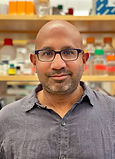
Saumya Das
Harvard Medical School
EVs in cardiometabolic diseases: peeling the layers in complex phenotypes
Saumya Das, MD, PhD is Professor of Medicine at Harvard Medical School, a faculty member of the Cardiac Arrhythmia Service and the co-Director of the Inherited Arrhythmic Clinic at Massachusetts General Hospital. Dr. Das completed his undergraduate training at Harvard College, graduating summa cum laude in Biology. He completed his MD-PhD training at Harvard Medical School (in the Health Sciences and Technology pathway) with his PhD in neurobiology. Following that, Dr. Das completed his residency in internal medicine at MGH, and fellowship training in cardiovascular disease and clinical cardiac electrophysiology also at MGH. His research has focused on signaling pathways in electrical and structural remodeling in models of heart failure and cardiometabolic disease with a focus on extracellular vesicles and their cargo RNAs as biomarkers and mediators of intercellular signaling. He has been the lead PI of several National Center for Advanced Translation (NCAT) grants to discover and validate RNA biomarkers of cardiac arrhythmias and heart remodeling in heart failure as part of the NIH Extracellular RNA Communication Consortium where he has served as a co-chair of the steering committee. He was inducted in the American Society of Clinical Investigation in 2020 and also received an NIH EIA award (R35). He has served as a PI on NIDDK grants to investigate EV biology in the pancreas and type I DM. He has served as a principal investigator on several American Heart Association strategic network grants, is on the advisory board for American Association of Extracellular Vesicles and the meeting chair for the 2023 Annual Scientific Sessions for AAEV.

Naveed Akbar
University of Oxford
Extracellular Vesicle Dysfunction in Genetic Cardiovascular Disease
Naveed Akbar is Associate Professor of Cardiovascular Science at the Radcliffe Department of Medicine, University of Oxford, and a Fellow of Somerville College. His research focuses on how EV-mediated molecular signalling regulates immune responses, inflammation, repair and regeneration following acute vascular injuries and genetic cardiovascular disease. Dr Akbar is a British Heart Foundation Intermediate Basic Science Research Fellow, Co-Director of the Oxford–Cambridge BHF-funded DPhil programme Vascular Rewind, and Executive Chair for Programmes and Meetings on the Board of the International Society for Extracellular Vesicles (ISEV). He serves on national and international scientific advisory and editorial boards and has led Public Engagement through Oxford Pint of Science 12 years.

Raj Kishore
Temple University
Muscle-specific miR-499-5p delivered by small extracellular vesicles impairs endothelial function and ischemic hindlimb recovery in diabetic mice
Dr. Raj Kishore earned his undergraduate degree in Biology and PhD in Immunology and Medical Genetics from University of Lucknow in India. He moved to United States for postdoctoral training and trained under imminent cardiovascular scientist, Dr. Douglas Losordo at Tufts University in Boston where he obtained his first faculty position. Dr. Kishore moved through the academic ladder first at Northwestern University and for last 12 years at Lewis Katz School of Medicine Temple University. Dr. Kishore is currently Professor and Chair of the Department of Cardiovascular Sciences at Lewis Katz School of Medicine Temple University. He also holds Vera J Goodfriend Endowed Chair in Cardiovascular Research and is Laura H Carnell Professorship of Temple University. Dr. Kishore is internationally recognized scientist in cardiovascular diseases and has won numerous accolades. For more than 20 years, Dr. Kishore’s research program has been well funded by NIH totaling over 40 million dollars, and he has authored over 160 manuscripts, most of them in leading Journals, and his scientific work is highly cited. Dr. Kishore has mentored over 40 scientists and many of his trainees are independent faculty throughout the World.
Research in Dr. Kishore laboratory is focused on several specific areas of cardiovascular regenerative biology with the overall theme of identifying novel insights into cardiovascular disease mechanisms and the translational integration of mechanistic studies in relevant physiological models. The major focus of ongoing research encompasses investigations into multiple approaches to enhance cardiovascular repair and regeneration after post-myocardial infarction. These approaches include the use of adult and pluripotent stem cells, stem cell-derived extracellular vesicles/exosomes, anti-inflammatory cytokines, novel noncoding RNAs such as circular RNAs and microRNAs and epigenetic modification of cells as some of the tools to enhance repair and regeneration of injured myocardium. Laboratory is currently investing significant efforts on developing stem cell-derived exosomes as novel cell-free alternate to stem cell-based therapies for cardiac repair.

Hang Hubert Yin
Tsinghua University
Purifying, Profiling, Probing, and Programming—Chemical Biology Investigations of Extracellular Vesicles
Hang Hubert Yin is currently a Professor and Deputy Dean of the School of Pharmaceutical Sciences at Tsinghua University. After studying for a bachelor's degree at Peking University, he received his PhD from Yale University in 2004 under the supervision of Professor Andrew Hamilton and then spent a post-doctoral period at the University of Pennsylvania School of Medicine with Professor William DeGrado. Prior to joining Tsinghua, he was a tenured faculty member of the University of Colorado Boulder. His research interests lie at the interface of chemistry, biology, and engineering with particular focuses on structure-based drug design, cell signaling biochemistry, biotechnology development, and membrane protein simulations. Professor Yin is a recipient of many accolades for his research in chemical biology and drug discovery, including the National Science Fund for Distinguished Young Scholars, American Chemical Society David W. Robertson Award for Excellence in Medicinal Chemistry, CAPA Distinguished Junior Faculty Award, NSF CAREER Award, AACR Gertrude B. Elion Cancer Research Award, Sidney Kimmel Scholars Award, and HHMI Collaborative Innovation Award among others.

Dylan T. Burnette
Vanderbilt University
How Cell-Like Can Large Extracellular Vesicles Really Be?
Dr. Dylan T. Burnette is an Associate Professor in the Department of Cell and Developmental Biology at Vanderbilt University School of Medicine. His laboratory integrates quantitative cell biology—including advanced microscopy, multiomic analyses, and biophysics—to investigate how cells generate force, organize their internal architecture, and communicate with their environment. His research has led to fundamental discoveries in cytoskeletal organization, myosin II biology, and cardiac muscle sarcomere assembly, as well as the development of new imaging approaches for studying living cells. More recently, his group discovered blebbisomes, a previously unrecognized class of large, organelle-rich extracellular vesicles with cell-like properties that are generated by both normal and cancer cells. This discovery has led his laboratory to apply both classical and modern cell biology approaches to understand how large extracellular vesicles are formed, function, and interact with cells. Dr. Burnette's work has been recognized through NIH funding, American Heart Association support, and invited lectures, and his microscopy has received awards in international imaging competitions.

Alissa Weaver
Vanderbilt University
Exosomes in HNSCC metastasis.
Dr. Alissa Weaver is the Cornelius Vanderbilt Professor of Cell and Developmental Biology at Vanderbilt University School of Medicine and Director of the Vanderbilt Center for Extracellular Vesicle Research. An elected Fellow of both the American Association for the Advancement of Science and the American Society for Cell Biology, she is internationally recognized for her pioneering work on extracellular vesicles (EVs) in cancer biology. Major research themes in the Weaver laboratory include:
-
Mechanisms of RNA and protein cargo sorting into EVs
-
Regulation of exosome secretion
-
Functional roles of specific EV cargoes in tumor behaviors, especially metastasis
-
Broader contributions of EVs to tissue organization and cell-cell communication in health and disease
Beyond biological discoveries, the Weaver Lab has developed widely used tools for the EV field, including live-cell reporters of exosome secretion and innovative EV flow cytometry approaches.
In addition, as the founding director of the Vanderbilt Center for Extracellular Vesicle Research, she has built a unique, internationally known hub for cutting-edge EV research.

Louise Laurent
University of California, San Diego
Multi-omic Analysis Reveals Relationships Among Source Cells, Extracellular Vesicles, and Non-Vesicular Extracellular Particles
Louise Laurent, MD/PhD is a Professor and the Co-Director of the Center for OB/GYN Research Innovation in the Department of Obstetrics, Gynecology, and Reproductive Sciences at the University of California, San Diego. She received her residency training in Obstetrics and Gynecology and her clinical fellowship training in Maternal Fetal Medicine at UC San Diego. Her research focuses on applying genomic and epigenomic methods to understanding the molecular regulation of placental trophoblast differentiation and function, identifying the molecular basis of placental dysfunction in human pregnancy, and discovering multiomic biomarkers for prediction and diagnosis of pregnancy complications.

Robert Gourdie
Virginia Tech
Milk-Derived Nanovesicles for Connexin43-Targeted Cardioprotection and Radioprotection
Robert Gourdie PhD is the Heywood Fralin Endowed Professor at the Fralin Biomedical Research Institute at Virginia Tech, where his work focuses on translating fundamental discoveries in cell–cell communication into new therapies for human disease. He is a recipient of the U.S. National Institutes of Health Outstanding Investigator Award, an elected Fellow of the American Institute for Medical and Biological Engineering and of the American Heart Association, and a Senior Member of the National Academy of Inventors. With more than 200 peer-reviewed publications, an h-index of 71, and over 50 granted patents, he has an extensive track record of moving basic science into real-world applications, including founding companies such as Xequel Bio and The Tiny Cargo Company, a clinical-stage small–extracellular-vesicle technology company. He earned his Ph.D. from the University of Canterbury in New Zealand and completed postdoctoral training at University College London in the United Kingdom.

Camila Hochman-Mendez
The Texas Heart Institute
Beyond Systemic Delivery: Ex Vivo Organ Platforms for Precision EV Therapeutics
Dr. Hochman-Mendez received her Ph.D. in Biophysics from the Federal University of Rio de Janeiro (UFRJ). She completed a Postdoctoral Research Fellowship in Bioengineering from the Universitat Politecnica de Valencia in Spain, followed by a series of Postdoctoral Research Fellowships in tissue engineering research programs at the Institute of Biophysics Carlos Chagas Filho in Brazil. Prior to joining THI in 2017, Dr. Hochman-Mendez’s research at the Federal University of Rio de Janeiro, Brazil, culminated in the first report characterizing the fractal dimension of a biomimetic version of laminin polymers (PolyLM) and several studies on PolyLM’s antifibrotic effects in iPSCs and small preclinical models.
As Director of the THI Biorepository and Cell Profiling Lab, Dr. Hochman-Mendez oversees a College of American Pathologists (CAP)-accredited biorepository core facility providing storage of critical biospecimens and performing phenotypic and function analyses to clinical investigators in the Texas Medical Center and nationwide. For the past eight years, the THI Biorepository and Cell Profiling Lab have served as a biorepository core facility to the NHLBI Cardiovascular Cell Therapy Research Network (CCTRN) and the Cardiothoracic Surgical Trials Network (CTSN).

Kenneth Dawson
University College Dublin
Condensate corona–nanoparticle extracellular complexes as endogenous biomolecular transfer programmes
Professor Kenneth A. Dawson is Director of the Centre for BioNano Interactions (CBNI). The scientific focus of this Centre is to understand the interaction of nanostructures with living systems (www.ucd.ie/cbni).
Professor Dawson studies principles governing how nanostructures interact with living organisms and was the pioneer of the Biomolecular (‘Protein’) Corona concept that subsequently became the working paradigm of the field.
Professor Dawson’s work aims to obtain a fundamental mechanistic and molecularly based understanding of the interactions between nanostructures and living systems. He is the discoverer of the ‘biomolecular corona’ effect via which an in situ tapestry of molecules at the nanoscale interface addresses and regulates endogenous biological processing machinery in qualitatively new ways from single molecules. He has been unravelling the detailed mechanisms by which biology recognizes structures on the nanoscale.
In the early phase of this work he was awarded the US National Academy Cozzarelli Prize. He has also been awarded the Richardson Prize and Medal of Royal Society of Chemistry, Sloan, Dreyfus, IBM Foundation prizes, and has been distinguished visiting Professor by Chinese Academy, Brazilian Science Foundation, the Canon Foundation, Royal Irish Academy, RSC, and various international scientific organizations. Prof. Dawson was co-ordinator of the European Infrastructure, managed numerous large scale multi-sectoral cross-disciplinary research international and EU projects. He has represented Ireland on various international bodies, including the OECD and ISO working groups on standards for Nanotechnology, been an advisor in the EU ‘New Risk ‘Committee of the European Commission, the ad hoc Advisory group of the European Medicines Agency, and numerous other agencies and foundations around the world.
His most recent work aims to use fundamental insights on nanoscale recognition to enable escape from endosomes and reach other therapeutically inaccessible locations. Adumeau, L., Lin, Y., McCafferty, M.M. et al. Condensate corona–nanoparticle complexes transfer functional biomolecules between cells. Nat. Mater. (2026). https://doi.org/10.1038/s41563-026-02534-5
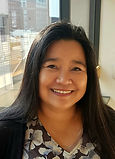
Mÿ Mahoney
Thomas Jefferson University
Targeting IFNγ Signaling Through EVs in IVIg
Dr. Mỹ Mahoney is a Professor of Pharmacology, Physiology, and Cancer Biology with joint appointment in the Department of Otolaryngology and member of the Sidney Kimmel Comprehensive Cancer Center. Her research aims to explore how molecular and cellular signaling during normal development is subverted to pathogenic signaling during disease progression. Her work has shown that intercellular communication through cell-cell adhesion, cytokine release, and the secretion of extracellular vesicles, is highly coordinated and can serve as diagnostic and prognostic biomarkers for healthy and disease states. Her lab is actively engineering extracellular vesicles as therapeutic strategies to target cancer and inflammatory diseases. She currently serves as Secretary General on the Board of Directors for the International Society for Extracellular Vesicles and as Co-Chair of Meetings for the American Society for Intercellular Communication.

Jisook Moon
CHA University
Cord blood plasma-derived extracellular vesicles reverse brain aging through central–peripheral metabolic coupling
Biotechnologist and neuroscientist specializing in extracellular vesicle (EV)-based diagnostics and therapeutics for neurodegenerative disease. Associate Professor and former Dean in the Department of Biotechnology at CHA University, and founder and CEO of the faculty start-up Recode Inc. Research spans stem cell– and EV-based therapeutic development for Parkinson's disease, Alzheimer's disease, stroke, traumatic brain injury, and aging, together with NGS-based genomics and active translational research in collaboration with clinicians. Serves in national science-and-technology policy advisory roles, including as an expert member of the Presidential Advisory Council on Science and Technology.

Hsueh-Chia Chang
University of Notre Dame
Nanocarrier Diagnostics--A New Charge and Size-Based Detection Platform
Hsueh-Chia (Chia) Chang received his BS from Caltech and PhD from Princeton. He currently holds the Bayer Corporation Chair of Chemical Engineering at the University of Notre Dame. Chia is known for his work in electrokinetics and biosensing. His lab has produced 21 issued patents. About half of them have been acquired by companies. He cofounded and serves as the CTO of a California company, Aopia Biosciences, which is commercializing a new EV purification technology. Chia has mentored more than 70 PhD and postdoc students. Half of them hold tenured faculty positions in all engineering and science disciplines over 5 continents (15 in the US). They include the provost at Iowa State and 3 endowed chairs/deans at major American research universities. Chia’s major national awards include the National Science Foundation Presidential Young Investigator Award, American Physical Society Frenkiel Award and the American Electrophoresis Society Lifetime Achievement Award. He is a fellow of the National Academy of Inventors, the American Physical Society, the American Institute of Medical and Bioengineering and the American Institute of Chemical Engineers.

Carlos Salomon Gallo
The University of Queensland
Extracellular Vesicles in Ovarian Cancer: From Oncogenic Transformation to Fit-for-Purpose Strategies for Early Detection and Screening
Professor Carlos Salomon Gallo is a translational scientist whose work is focused on advancing early detection strategies for ovarian cancer. He serves as Professor at The University of Queensland and Director of the UQ Centre for Extracellular Vesicle Nanomedicine, where he leads an internationally recognised research program dedicated to the development of minimally invasive biomarkers for early-stage disease detection. Ovarian cancer remains the most lethal gynaecological malignancy, largely due to late-stage diagnosis and limited therapeutic options for advanced disease. Professor Salomon Gallo’s research addresses this critical clinical gap by developing approaches aimed at identifying disease prior to symptom onset, where intervention is more likely to be effective.

Joost P.G. Sluijter
University Medical Center Utrecht
Extracellular-vesicle based cardiac delivery: engineering EV Biogenesis for enhanced therapeutic loading
Joost Sluijter is Professor of Cellular and Translational Cardiology at the University Medical Center Utrecht (The Netherlands), where he leads the Experimental Cardiology Laboratory. His research focuses on developing regenerative therapies for cardiovascular disease, with a particular emphasis on extracellular vesicles, RNA and protein delivery, gene editing, and advanced human cardiac models. His group pioneered several technologies to engineer extracellular vesicle biogenesis for enhanced therapeutic cargo loading and targeted cardiac delivery, bridging fundamental EV biology with translational applications. Prof. Sluijter has coordinated multiple national and European research programs, including an ERC Consolidator Grant and ERC Proof-of-Concept project, and is co-founder and CSO of JAMA Therapeutics, translating extracellular vesicle-based therapeutics toward clinical application. His work aims to accelerate the development of next-generation regenerative and gene therapies for inherited and acquired cardiovascular diseases.

Pilar Martín Fernández
Spanish National Center for Cardiovascular Research
Therapeutically targetable T cell-derived EV-miRNA for myocarditis
Dr. Pilar Martín is Professor at the Spanish National Centre for Cardiovascular Research (CNIC) in Madrid and a pioneer in cardio-immunology. Her research has advanced understanding of T-cell responses in cardiovascular disease, demonstrating protective roles for regulatory T cells in atherosclerosis, acute myocardial infarction, and myocarditis, while identifying Th17 cells as key drivers of cardiovascular inflammation. Her group has extensive expertise in immune phenotyping using flow, spectral, and mass cytometry, as well as extracellular-vesicle microRNA profiling in mouse models and patients with cardiomyopathy. The group recently validated a novel microRNA biomarker for acute myocarditis diagnosis. Dr. Martín has coordinated and contributed to major national and international consortia and collaborates widely with clinical and translational groups. She is a member of the ESC Cardio-Oncology Immunotherapy Council and Associate Editor of JACC: CardioOncology.

Sathish Ramakrishnan
Yale School of Medicine
The Fusion Code of Extracellular Vesicles
Dr. Sathish Ramakrishnan is an Assistant Professor in the Department of Pathology and the Nanobiology Institute at Yale School of Medicine. Trained as a physicist, Dr. Ramakrishnan received his Ph.D. from the University of Montpellier, France, before completing postdoctoral training in cell biology at Yale University with James Rothman. His research integrates mechanistic membrane biology with bioengineering. His work has been published in PNAS, Nature Methods, eLife, Small, Advanced Functional Materials, and Nature Protocols. Dr. Ramakrishnan is a recipient of the NIH Maximizing Investigators' Research Award and the Kavli Neuroscience Innovative Teams Award and has received support from the Yale Alzheimer's Disease and Diabetes Research Centers. His laboratory aims to define how vesicle identity, molecular architecture, and fusion competence regulate intercellular communication in health and disease.

Kewei Zhao
The Third Affiliated Hospital of Guangzhou University of Chinese Medicine
Basic Research on the Application of Chinese herbal medicine derived EV-like particles
Dr. Zhao, PhD, a professor and doctoral supervisor at the third affiliated hospital of Guangzhou university of Chinese medicine. He serves as the director of the Guangdong Provincial Engineering Research Center for Herbal Medicine-Derived Extracellular Vesicles, and the Project Leader of the Guangdong Provincial Pilot Platform for Herbal Medicine-Derived Extracellular Vesicles. On the academic administration side, he acts as the associate dean of the First-Level School of Integrated Traditional Chinese and Western Medicine at our university. His laboratory investigates the biogenesis, isolation, characterisation, and bioactivities of vesicles from Chinese herbal medicine, and explore their potential as natural drug carriers and therapeutic agents for inflammatory, metabolic, and oncological diseases. He has been the chairperson of the global conference on research and application of Chinese herbal medicine-derived extracellular vesicles for six consecutive years, which provides a global vision and an established international platform.

Huiping Liu
Northwestern University
AI-accelerated engineering of EV-IgG of ultra-high affinity and efficacy
Leveraging artificial intelligence (AI) and extracellular vesicle (EV) engineering technologies, Dr. Liu is dedicated to uncovering the mechanisms that drive cancer and inflammatory diseases and translating these discoveries into biomarker-guided therapeutic strategies for improved patient care. During the COVID-19 pandemic, the Liu laboratory and collaborators engineered ACE2-presenting EVs to neutralize and prevent SARS-COV-2 infections (Nature Communications 2022, cited by 191), and developed antibody language models in combination with physical docking to accelerate the SARS-CoV-2 antibody virtual screening and experimental optimization (iScience 2025). Furthermore, using machine learning, her study identified the EV marker CD81 as an interactive partner with CD44 and a promoter of cancer stemness through EV-mediated education of recipient cells and (eLife 2022). Although the traditional view of metastasis centers on the dissemination of single circulating tumor cells (CTCs), Dr. Liu’s laboratory has demonstrated that CTCs with cellular plasticity and stem-like properties can assemble into multicellular clusters that seed polyclonal metastases with up to 50‑fold greater efficiency. These findings, published in Cancer Discovery, Nature Communications, Journal of Clinical Investigation, and eLife, have reshaped current understanding of EV and cancer biology (Citations 9405, h-index 45).
Accelerated by machine learning-based protein structural docking and computational multi-omic integration modeling, Dr. Liu’s group has identified several key cancer stem cell and adhesion markers—including CD44, CD81, ICAM1, PODXL, VCAM1, and PlexinB2—that cooperate with their ligands to mediate intercellular interactions, promote CTC cluster formation, promoting distant metastatic spread and colonization. Her team has uncovered novel molecular mechanisms and posttranslational modifications—such as de‑sialylation—that reprogram CTC surface glycosylation patterns and clustering in response to therapy. The composition and functions of immune-suppressive white blood cells in the CTC clusters have also been characterized for development of innovative therapeutic antibodies, advancing them from preclinical discovery toward clinical application.
Dr. Liu is an elected member of the American Society for Clinical Investigation (ASCI), coleader of American Cancer Society Cancer Stem Cell Consortium, and Biohub Chicago Investigator (funded by Chan-Zuckerburg Foundation). Since 2014, she has also co‑organized the biennial International Cancer Stem Cell Conferences, fostering global collaboration in cancer stem cell and metastasis research.

Quan Lu
Harvard University
ARMMed for Targeted Intracellular Delivery
Quan Lu is the Cecil K. and Philip Drinker Professor of Environmental Physiology in the Department of Environmental Health at Harvard T.H. Chan School of Public Health. His laboratory investigates the molecular mechanisms underlying complex gene-environment interactions in multigenic human diseases such as asthma and neurodegeneration, with a focus on the role of extracellular vesicles in disease pathogenesis, prevention, and therapeutics. His current work centers on his discovery of a novel intrinsic mechanism, ARRDC1-Mediated Microvesicles (ARMMs), which function in intercellular and inter-tissue communication and are being developed as a targeted delivery platform for advanced therapeutics. In particular, ARMMs offer a promising strategy for the precise delivery of nucleic acid–based therapies, including mRNA and CRISPR gene-editing systems, to diseased cells and tissues, enabling more specific, efficient, and potentially safer therapeutic interventions.

Ying Mei
Clemson University
Human Cardiac Organoid-Derived Extracellular Vesicles for Heart Repair
Dr. Ying Mei is the McQueen Quattlebaum Professor of Bioengineering at the Clemson University. He also holds an adjunct position in the Department of Regenerative Medicine and Cell Biology at Medical University of South Carolina. He received his Ph.D. in Materials Chemistry from Polytechnic Institute of New York University. He joined the Langer lab at the MIT as a postdoctoral researcher after serving as a guest researcher in the National Institute of Standards and Technology (NIST). He joined in the Department of Bioengineering at the Clemson University as a faculty member in 2012. His research program focuses on the development of engineered human cardiac organoids for regenerative therapies and disease modeling. He received the U.S. Presidential Green Chemistry Award Winner in the academic category, MTF Biologics Established Investigator Grant Award, and AHA Innovative Project Award.

Yibin Kang
Princeton University
Host metadherin coordinates EV-mediated regulation of hepatic lipid metabolism and CD8+ T cell immunity to promote tumor progression
Yibin Kang is a Warner-Lambert/Parke-Davis Professor of Molecular Biology at Princeton University, the Associate Director of Rutgers Cancer Institute, and a founding member of the Ludwig Institute for Cancer Research Princeton Branch. He graduated from Fudan University in 1995. After completing his Ph.D. study at Duke in 2000 and postdoctoral training at Memorial Sloan-Kettering Cancer Center, Dr. Kang joined the faculty of Princeton University as an Assistant Professor of Molecular Biology in 2004. He was promoted to Associate Professor with tenure in 2010 and to Endowed Chair Full Professor in 2012.
Dr. Kang’s research focuses on the molecular mechanisms of breast cancer metastasis. He has published over 200 original articles in leading journals including Cell, Science, Cancer Cell, and Nature Medicine. Dr. Kang's outstanding achievements have been recognized by many prestigious awards, including the Vicek Prize for Creative Promise in Biomedical Sciences, and the AACR Award for Outstanding Achievements in Cancer Research, and the AACR Outstanding Investigator Award in Breast Cancer Research. He was elected as a Fellow of American Association for the Advancement of Science (AAAS), a Komen Scholar, and an American Cancer Society Research Professor.

Brian Brown
Mount Sinai Medical Center
Do extracellular vesicles play a role in mRNA vaccines?
Dr. Brian Brown is the Director of the Icahn Genomics Institute and Vice Chair of the Department of Immunology & Immunotherapy at the Mount Sinai Medical Center in New York City. His lab’s research is focused on understanding the molecular and cellular mechanisms of tissue and tumor control of immunity and exploiting this understanding for development of novel immunotherapies. He has developed a number of widely used technologies, including technologies for cell-specific targeting of gene and mRNA therapies and for spatial functional genomics.

Rita Strack, PhD
Nature Biomedical Engineering
Chief Editor

Sheila Chari, PhD
Cell Stem Cell
Chief Editor
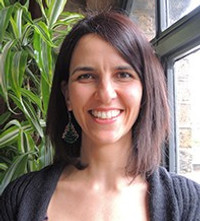
Chiara Pastore, PhD
Nature Nanotechnology
Senior Editor

Filipe Almeida, PhD
Nature Biomedical Engineering
Senior Editor